

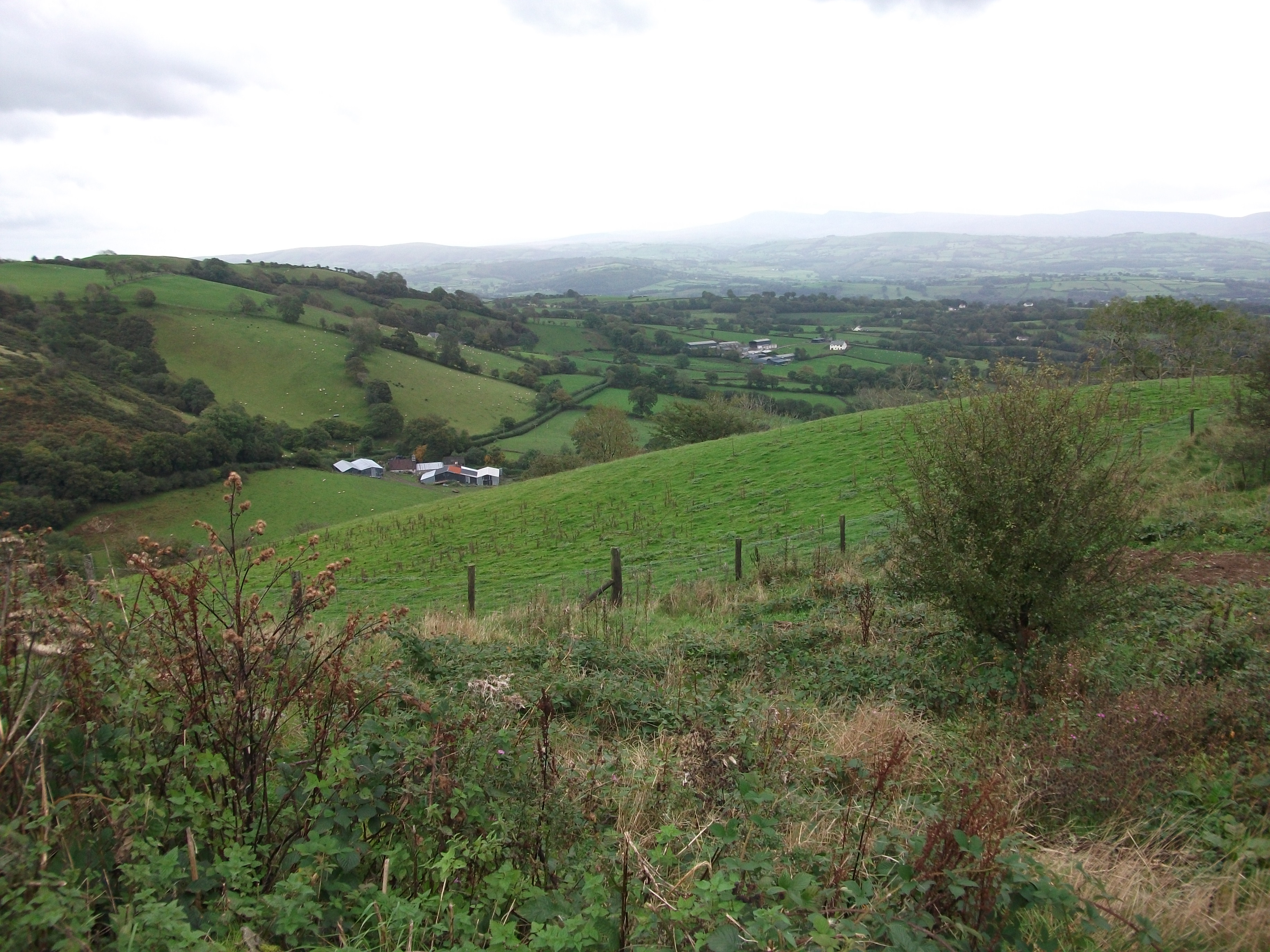
View of the valleys
It’s a challenge getting to the Mandala ashram – a converted farmhouse perched on a hill in the middle of Wales — for pretty much any visitor. Not a bad thing necessarily: I felt like I was going on a pilgrimage. It took me four hours by car from Dorset: blasting down the M4, then along all those winding Welsh roads, where the signs are written in two languages and the hills loom higher than those east of the border. The ashram so isolated that no post gets delivered there but instead gets picked up from a village post office several miles away.
The ashram prides itself on being comfortable: warm, dry and clean with hot showers. The dryness is particularly welcome: in this part of the world, it’s always wet outside. While I stayed there I gave a resident a lift to town to buy some Wellingtons. A necessity, she said, as even on a fine day, the grass is sodden. The place looks Welsh: the main buildings are stone cottages with a few wooden cabins dotted about. The decor is subtle: no Hindu deities, like at the Sivananda ashrams, instead just large mandalas. The main shrine is equally spartan: a painting of the Shri Yantra, a couple of plants, a bit of crystal and an ever-burning light.

The ever-burning light
l was impressed by how well the ashram is run. It must be quite an operation, especially as the ashram has a touch of the ‘Good Life’ about it, with a lot of its fruit and vegetables grown in huge poly tunnels and its water sourced from a nearby spring — there’re signs on all the toilets asking you to not waste water by flushing after you wee. I was also surprised how well dinner always turned out. After all, there was just a volunteer yogi with a cookbook and most likely no catering experience, aided by whatever guests had been allocated karma yoga in the kitchen. Somehow they managed to knock-up a tasty meal with several dishes to serve the thirty or so people.
I found the ashram relaxed and friendly. It’s not as strict as the Sivananda ashrams, which in some ways could be off-putting for older people, new to yoga and not quite prepared for an hour of seated meditation and chanting twice a day. Here, you get maybe only twenty minutes at satsang in the evening. The diet is also not as restricted, with onions and garlic used in the cooking. There’s always tea and biscuits too, which you sip on cushions in the conservatory with the ashram’s elderly tabby curled up next to you.
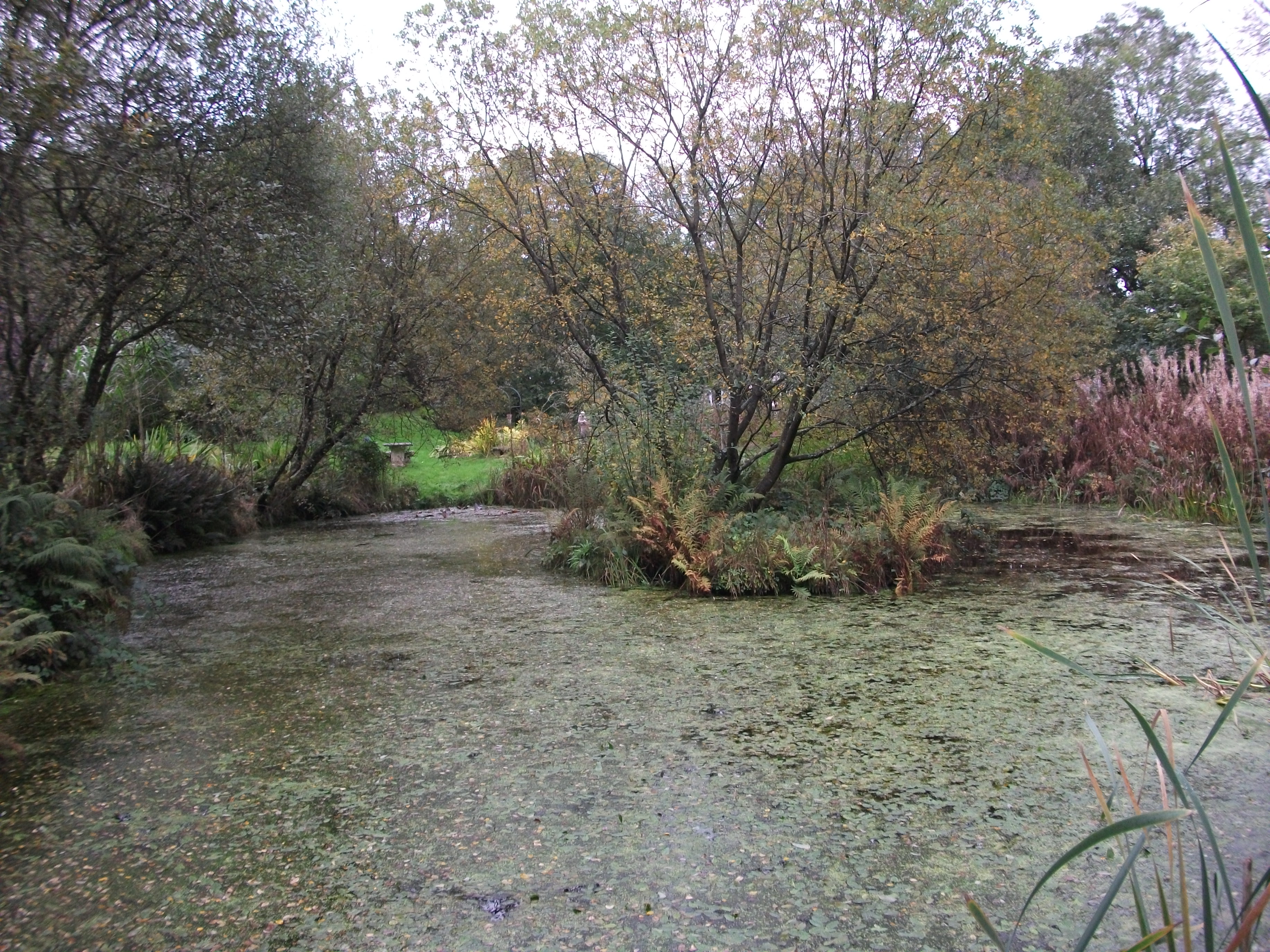
Water, water everywhere: The ashram’s garden.
The Mandala Ashram was founded in 1986 by Swami Nischalananda, who was a disciple of Swami Satyananda, who in turn studied under Swami Sivananda. Satyananda Yoga is probably most famous for its books, published under the name of the Bihar School of Yoga. I own seven volumes of its works: Yoga Nidra, Kunadlini Tantra, Sure Ways to Self Relisation, Asana Pranayama Mudra Bandha, Prana Pranayama Prana Vidya, Hatha Yoga Pradipika and Karma Sannyasa. As you would expect from books written by monks, they are scholarly texts of classical yoga. They are often esoteric, detailing practices such as the raising of the kundalini in Kundalini Tantra, which the Sivananda tradition dissuades you from attempting by yourself, but I find fascinating too read.
I stayed at the ashram for a three-day course on pranayama. The course touched on the main forms, including ujjayi, bhastrika, kaphalabhati, anuloma viloma, bhramari and nadi shodhana. There were also a few I hadn’t done before like ajapa japa and prana mudra. The Swami who taught us said we could do these practices at home, unlike Sivananda yoga which really only lets you do kaphalabhati and nadi shodhana. The Satyananda Swami cautioned against doing them excessively, but said very few people are disciplined enough to do this anyway.
The day started with a gentle yoga class at 6.15 (most of the people on the course were over 50). After a pranayama session, we had breakfast of porridge at 8.15 and then karma yoga. We had another course session until a large lunch at 1.00. After lunch we were free until another session at around 3.00. At six we had light dinner of soup and bread. The day finished with satsang from 8.00 to 9.00.
I stayed in a dormitory (bringing my own bed linen) for £235 for the pranayama course (Thursday evening to Sunday mid-day). The rate (not on a course, but including food and yoga) is £27 per day, £160 per week and £495 per month.